
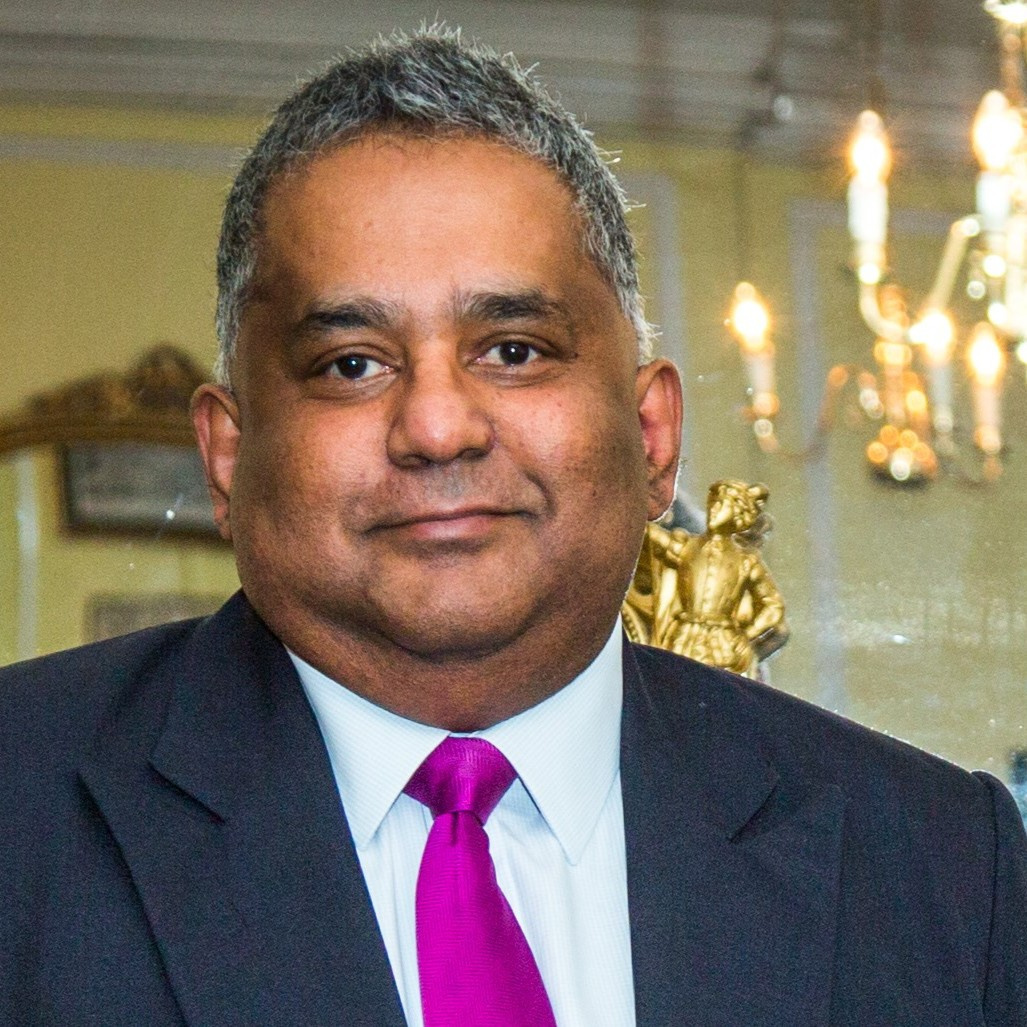
Some club secretaries are never seen sitting down, and Hasita Senanayake FIH is one of them. A former colleague remembers him as one of the few managers who was never afraid to get his hands dirty and jump in, and he himself admits, only half in jest, to working "twelve days a week". Nights spent sleeping at the club are not unknown. It is the routine of a man for whom the job long ago stopped being a job.
"1985 was at the Ritz," he says, by way of introduction, and then, with disarming frankness: "I am the odd one out in the private members' club arena." It is a fair description of a career built in hotels and in the unglamorous disciplines of cost control and finance, and he has never stopped thinking like an operator.
The long apprenticeship
After the Ritz came the Café Royal, then part of Rocco Forte's empire, and in 1994 a chance tip from a friend led him to the Hurlingham Club. He went in for a finance role and found himself working alongside a newly arrived general manager, Alastair Telfer, with whom he would go on to share much of his career. Together they spent the second half of the 1990s steering the Hurlingham back from losses towards breakeven, and by the time Telfer moved on to the Carlton Club, his finance man had risen to deputy general manager.
The Carlton soon called him too, and he stayed there the best part of two decades, rising to Assistant Secretary in charge of finance and operations at a club with a multi-million-pound turnover and a staff numbering in the dozens. It was, in effect, a long apprenticeship in how grand clubs really work, from the kitchen to the committee room. By 2016 he wanted to see whether he could run a smaller ship on his own.
An outsider in the City
 The City University Club, founded in 1895 as a lunch club for Oxford and Cambridge men working in the Square Mile, was looking for a Secretary. Senanayake already knew it as one of the Carlton's reciprocal clubs, and the appointment moved quickly. He started at the beginning of 2017, conscious that the committee had taken something of a chance on a candidate from outside the usual mould, and determined to repay it.
He set about the place in his own way, with small, telling gestures of welcome: the kind of changes that make a guest feel expected rather than tolerated. The bigger test arrived within weeks. In the spring of 2017 the club's landlord at 50 Cornhill, where it had long occupied three floors of the former Prescott's Bank, asked for the lease back.
A house moved in a weekend
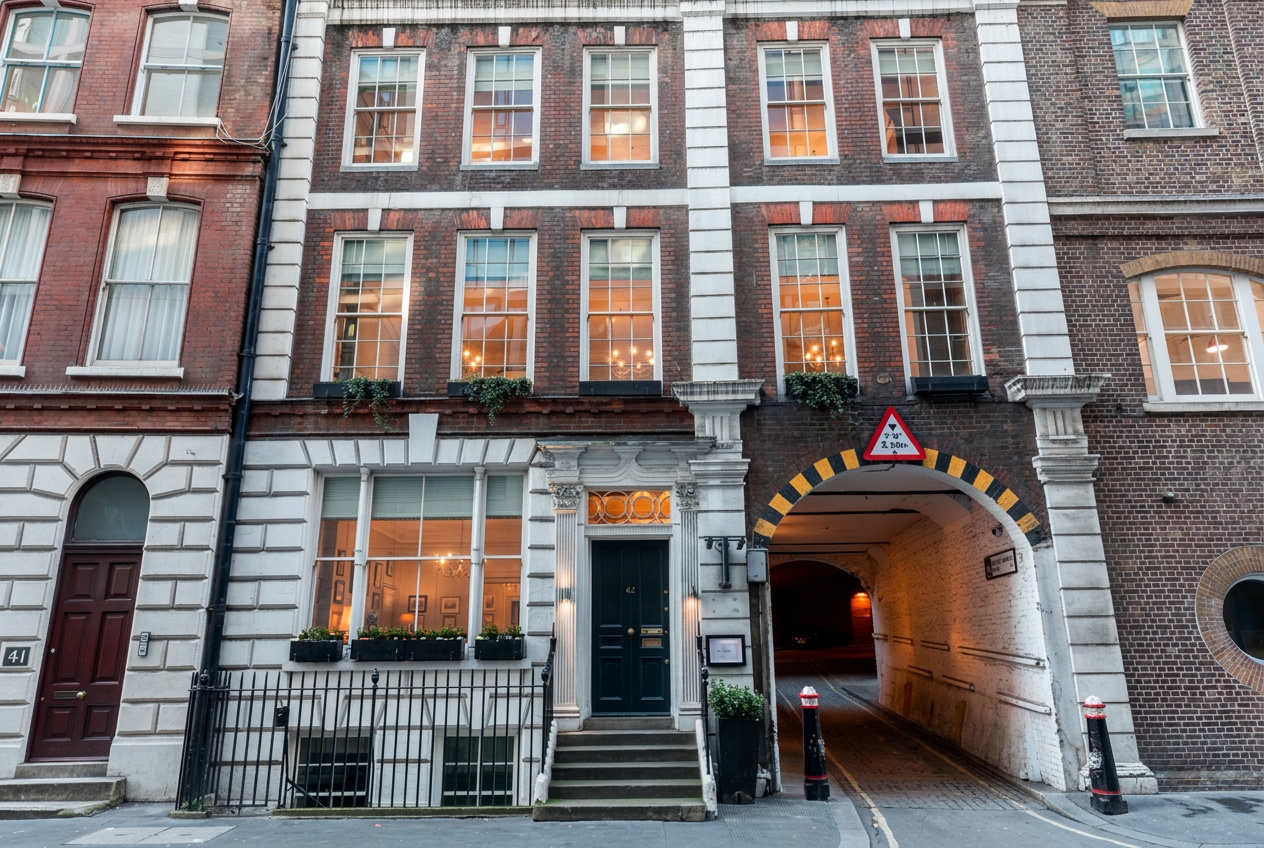
What followed was a year of searching, a merger proposal with another City club that the members eventually turned down, and finally a new home at 42 Crutched Friars, a former ambassador's residence of the late eighteenth century. The CUC moved in, and took in the members of the Lloyd's Club at the same time.
The new dining room was smaller than the old, and not everyone was sure about it. Senanayake was. It was, he reasoned, "better to have a small house than no house", and from the start he could see how the space might grow.
The move itself has passed into club folklore: what he expected to take a fortnight was done between a Friday evening and a Monday morning, with the club closing as usual at the end of one week and opening for business at the start of the next. He tells the story with the modesty of someone who knows exactly how hard it was.
Two clubs, one house
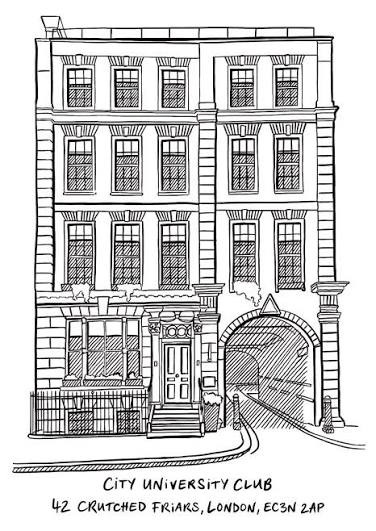 Merging two memberships, each with its own customs and its own idea of itself, is the kind of task that sinks clubs. His approach was to make the Lloyd's Club members feel welcomed rather than absorbed, and to treat the smaller scale of Crutched Friars as a virtue. There are no grand staircases or cavernous drawing rooms here; instead there is intimacy, and visitors from the West End clubs tell him it reminds them of how their own houses used to feel.
He is also more relaxed than many of his peers about who comes through the door. Clubland neighbours are welcome to visit, reciprocal or not, and he runs the house with a small and close-knit team, a far cry from the large departments he once oversaw. Each autumn, for fourteen years, he has staged a Sri Lankan curry season, with a chef flown in from Sri Lanka with the help of SriLankan Airlines, a fortnight that is now one of the fixtures of the club's year and a very personal signature for its Secretary.
Keeping the lights on
Ask him what he is proudest of, and he does not mention the move, the merger or the menus. His answer is simply that the club is still here. The years since 2018 have not been easy for him personally, and he speaks of them without self-pity; the club has become something close to a vocation.
What sustains him is the reaction of the people who walk through the door: new members writing to say how much they enjoyed their first visit, a guest leaving after lunch and wondering aloud whether he ought to join. "That's my drug," he says, and you believe him. He sees himself as a custodian carrying a 131-year-old legacy towards the next pair of hands, and the rest of the story, from the early days at Cornhill to the characters he has known along the way, will be told in the club's own forthcoming history.
The hospitality trade tends to define luxury by thread count and price point. Senanayake's career suggests another definition: being known by name, being welcomed as if you were expected, and finding the door open when you arrive. In a district where offices empty on a Friday and lunch increasingly comes in a box, that kind of luxury is rarer than any linen, and the City University Club has a Secretary who understands it better than most.
City University Club | 42 Crutched Friars, Londn EC3N 2AP | Tel: 020 7167 6682 | Website: cityuniversityclub.co.uk